
Start Date
2023
Supporting Organization
eGL
Project Status
continues
The Anatolian Beast: Striped Hyena Project
Project Manager
Project Coordinator
Project Team
Partners / Collaborations
The Anatolian Beast: Striped Hyena Project aims to determine the genetic structure of the Turkish population using eDNA and metabarcoding techniques, identify the anthropogenic, climatic, and other pressures the species faces, and develop conservation strategies.

The striped hyena (Hyaena hyaena) is a widely distributed scavenger mammal across Asia and Africa, playing a key role in ecosystem functioning. By facilitating the rapid removal of carrion and the recycling of organic matter into the ecosystem, striped hyenas contribute to reducing pathogen loads and play a functional role in regulating small mammal populations. However, data regarding the population size, genetic structure, trophic interactions, and responses to anthropogenic pressures of Anatolian populations remain limited.
This project represents a multi-layered research and conservation initiative integrating molecular ecology and long-term field monitoring approaches. It aims to investigate the genetic diversity and structure of striped hyena populations in Türkiye, characterize their feeding ecology, identify current threats, and assess their magnitude. By combining advanced molecular analyses with long-term field monitoring data, the study seeks to quantitatively evaluate the species’ ecological role and its adaptive responses under anthropogenic pressures.


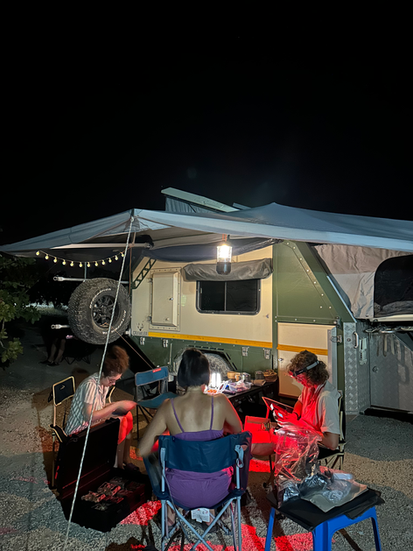


Within the scope of the project, environmental DNA (eDNA) and metabarcoding approaches are employed. Genetic material obtained through non-invasive sampling strategies (feces, hair, and other biological traces) is analyzed without direct interference with individuals, addressing the following research questions:
What patterns characterize the genetic diversity of Anatolian populations?
How are gene flow and potential isolation patterns structured among populations?
What components define the species’ trophic niche and prey spectrum?
How does diet composition vary across regions and seasons?
What are the effects of anthropogenic pressures on population structure and spatial use?
How are relationships between different threat types and population health reflected in microbiome composition?
The data generated will not only contribute to fundamental scientific knowledge regarding the species’ ecology but will also produce applied outputs for:
Habitat management and spatial planning
Mitigation of human–wildlife conflict
Development of evidence-based conservation strategies at local and national scales

Integrated Conservation Framework
The Anatolian Beast: Striped Hyena Project is not merely a research initiative. Beyond documenting the biological and ecological characteristics of the striped hyena, it seeks to understand the species’ persistence strategies under anthropogenic pressures and to translate this knowledge directly into field-based conservation interventions.
In this framework, molecular analyses, camera-trap data, habitat observations, and collaborations with local stakeholders are evaluated together, strengthening the link between scientific evidence and on-the-ground conservation practice.
Three Threats, Three Populations: A Three- Year Monitoring Framework
Since 2023, we have been systematically monitoring three distinct striped hyena populations across Türkiye, each persisting under different types of anthropogenic pressure.
These stations represent the principal human-induced threat categories affecting striped hyena populations in Anatolia. Within the project, we develop threat-specific and locally adapted conservation strategies tailored to each context.


Station I
Hunting Pressure and By-catch Risk
At this station, pronounced anthropogenic pressure—driven by intensive tourism activity and active hunting practices—emerges as a primary threat. Field observations have documented that leg-hold traps used during ongoing porcupine hunting in the area pose a high risk of mortality and severe sublethal injuries to non-target species.
During routine monitoring efforts, we detected a striped hyena individual captured in one of these traps. We became directly involved in the process, coordinating with the relevant authorities and initiating the necessary procedures to ensure that the individual could receive medical attention and enter a rehabilitation process. Camera-trap data subsequently revealed that the hyena managed to free itself; however, it lost one forelimb in the process. Despite this severe injury, continued monitoring indicates that the individual has been able to maintain feeding behavior and daily activity patterns at a functional level.
This individual is still being monitored year-round at the same station. The case represents a critical field record demonstrating the individual—and potentially population-level—impacts of anthropogenic trapping pressure, and it serves as an important reference point in the development of targeted conservation strategies.
At this station, we:
Conduct continuous area monitoring using satellite-connected camera traps,
Maintain strong communication with local authorities and rangers,
Implement coordination and awareness activities aimed at reducing hunting-related pressure.

Station II
Habitat Fragmentation and Road Ecological Pressure
At this station, we monitor a population situated within a narrow valley subjected to dual habitat pressures. A major highway borders one side of the area, while expanding residential settlements exert pressure from the other.
Field data indicate that this spatial compression:
Constrains habitat use,
Increases the risk of road-related mortality,
Intensifies human–wildlife interactions.
We also assess that negative perceptions of the species within local communities may elevate the risk of deliberate killing. However, through strong local engagement, we have established a consistent communication network and systematically document field-based information as it emerges.
Station III
Agricultural Area Expansion and Land Use Dynamics
At the project’s pilot station, agricultural expansion represents the primary pressure. The spread of pistachio and olive plantations within the hyena group’s habitat has led to observable shifts in spatial use patterns.
At this station, we:
Assess displacement tendencies in habitat use,
Monitor a locally structured population on a regular basis,
Analyze interactions between agricultural activities and wildlife.
Through this integrated approach, we aim not only to generate academic knowledge but also to develop a data-driven conservation model that is directly reflected in field practice and co-produced with local stakeholders.


